Enquire Book a break
 

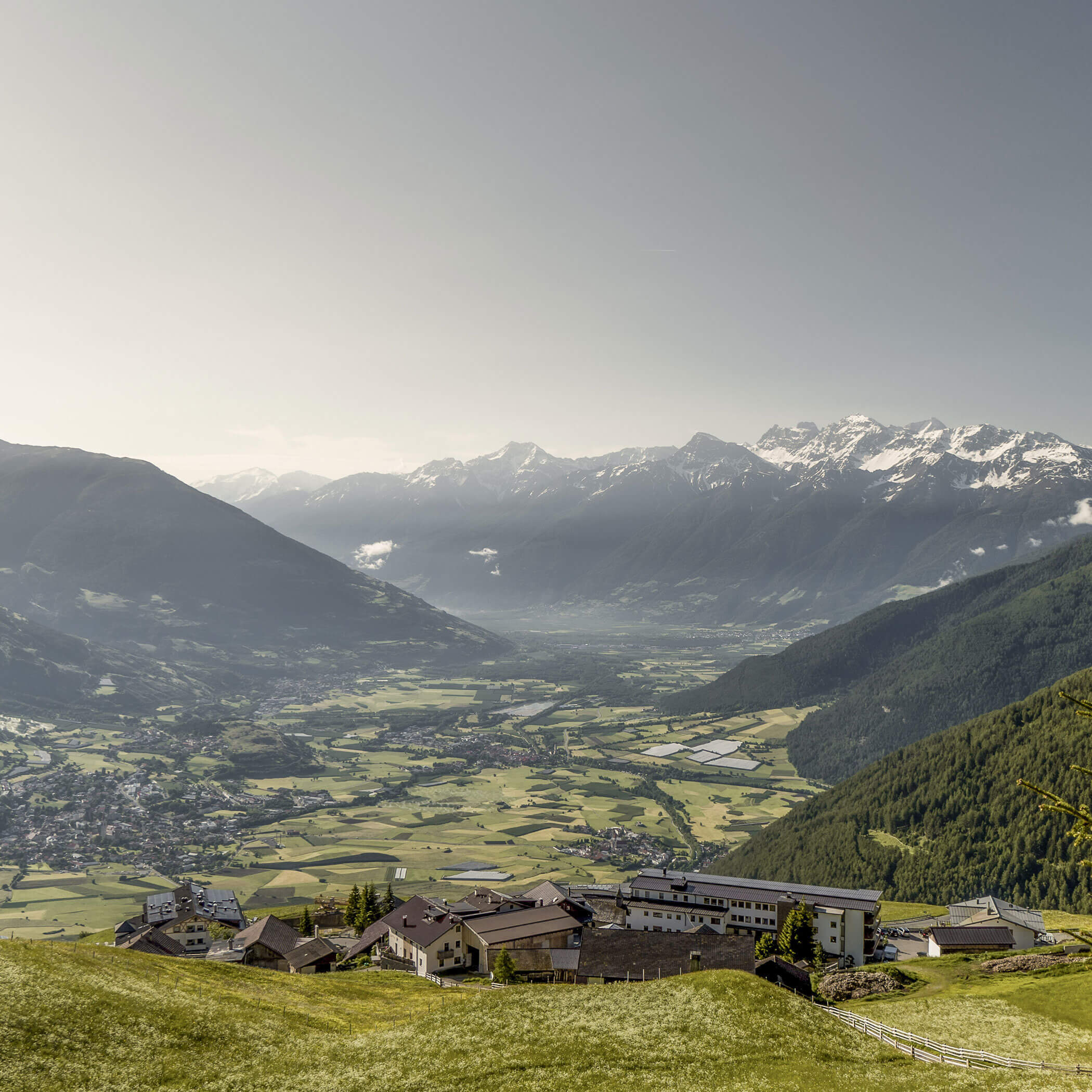
Our panoramic Hotel Watles – the ideal starting point to discover the Val Venosta Valley in South Tyrol

Live the Stories of the Region

From cultural treasures to spectacular natural highlights – the Val Venosta in South Tyrol offers a wealth of sights and places of interest. Whether on a hike, a bike tour, or a winter outing, the region combines nature, culture, and history in perfect harmony.

Marienberg Abbey

The Benedictine monastery in Malles looks back on nearly a thousand years of history and is inseparably linked with the cultural heritage of Val Venosta. Founded in 1150 by Swiss nobility, the abbey towers high above Burgeis and the valley. Particularly worth seeing: the Romanesque crypt with its frescoes, as well as the exhibitions on spirituality and daily monastic life.

Glorenza (Glurns)

With just under 900 inhabitants, Glorenza is not only the smallest town in South Tyrol but also one of Italy’s smallest towns. Its fully preserved medieval walls, three towers, and historic arcades make it a true jewel of the Alps. Walking through the narrow streets feels like travelling back in time.

PUNI – South Tyrol’s only whisky distillery

In the middle of Val Venosta, surrounded by orchards and alpine pastures, stands the modern cube-shaped building of the PUNI distillery – Italy’s first and only whisky distillery. Since 2010, whisky has been produced here according to Scottish tradition, but with local character. Guided tours and tastings let visitors discover this unique craft.

Churburg Castle

Located in Sluderno, Churburg is one of the best-preserved castles in South Tyrol and houses the world’s largest private armoury with over 50 suits of armour. Built in 1259, the castle offers a fascinating insight into the Middle Ages and can only be visited with a guided tour.

The sunken tower in Lake Reschen (Reschensee)

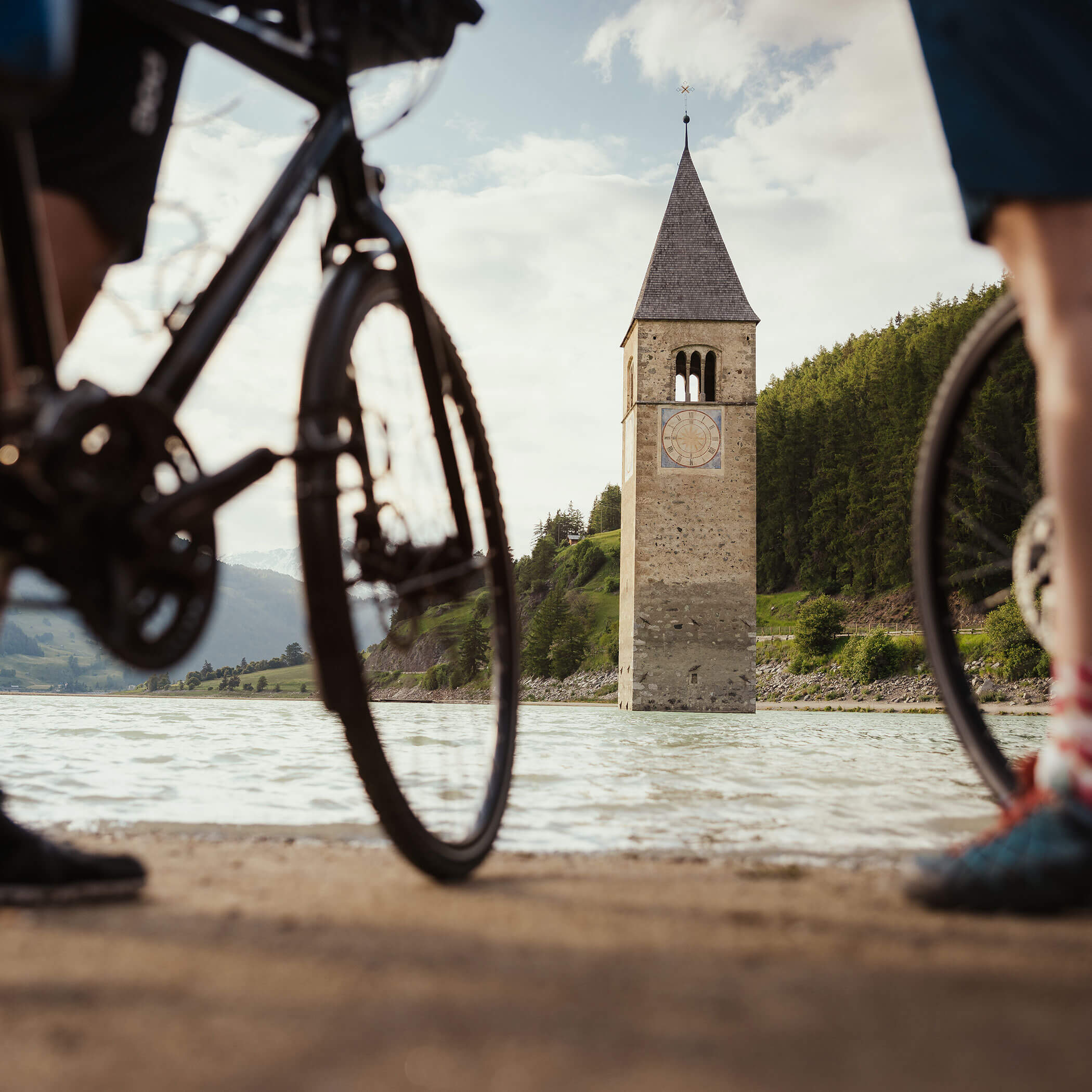
In the middle of Lake Reschen, the Romanesque church tower of Alt-Graun rises out of the water – the most famous photo motif in Val Venosta. The sight recalls the dramatic flooding of the valley in the 1950s, when several villages were submerged. Today, it’s a symbol of memory and at the same time a highlight for sports enthusiasts: kitesurfing in summer, snowkiting in winter.

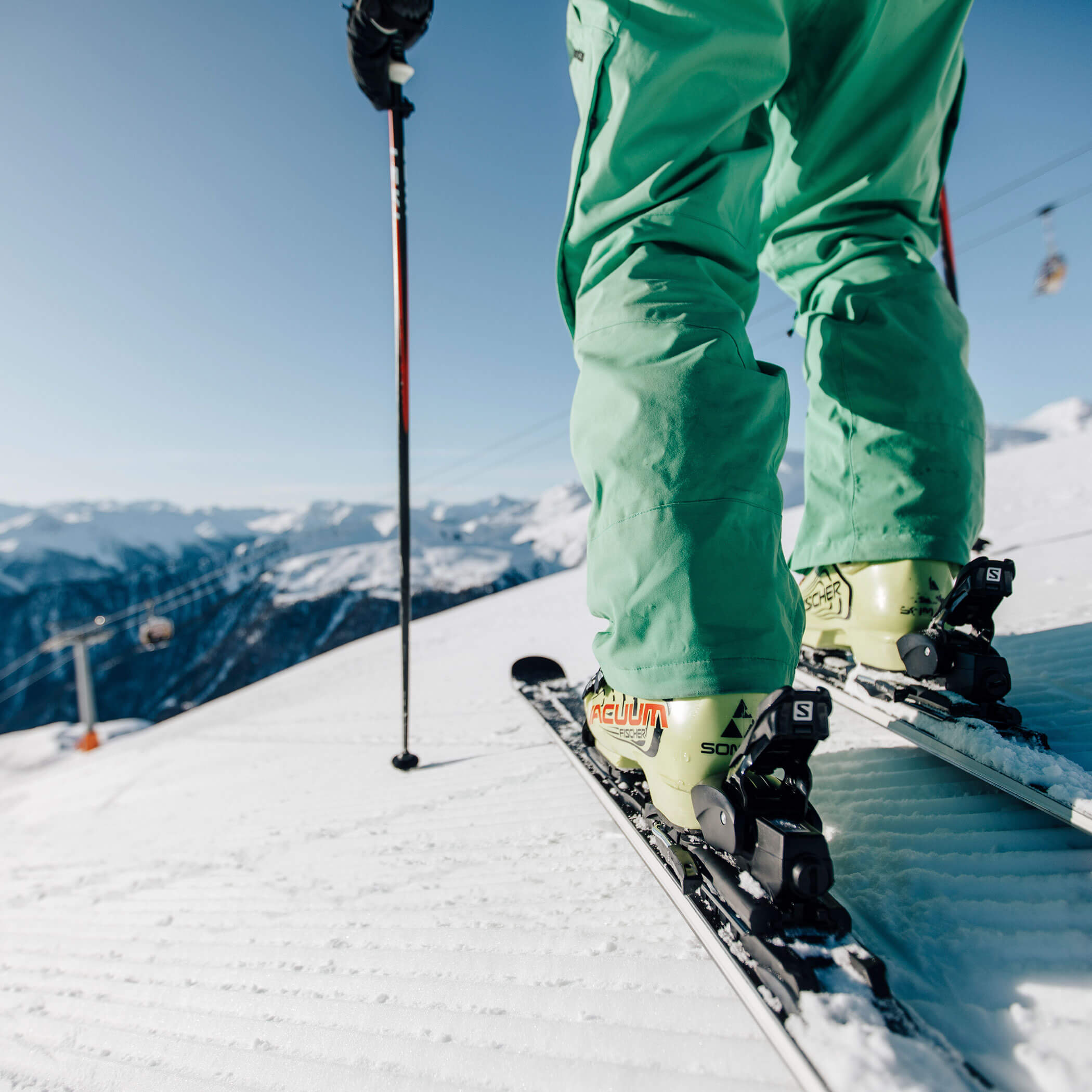
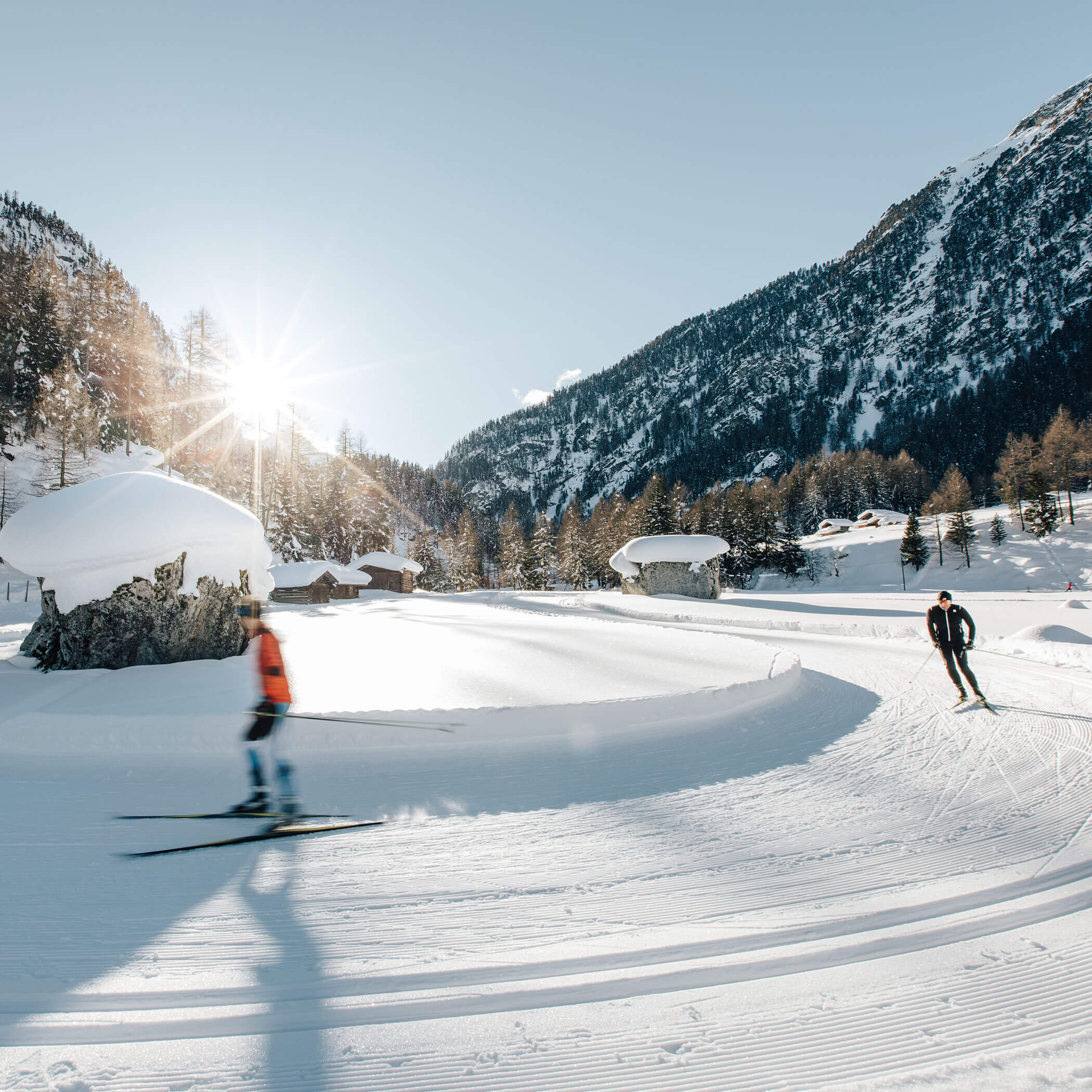
Do you want to enjoy the magic of winter?
The bunkers of the Alpine Wall

… at the Reschen Pass, between mountains and meadows, hikers come across stone witnesses of the past: bunkers, tank barriers, tunnel systems – remnants of the so-called Alpine Wall, the border fortifications built in the 1930s. Constructed as defence against Hitler’s troops, today they stand as bizarre, silent monuments. Particularly impressive: the “Etschquelle Bunker” (no. 20) and the “Plamort tank barrier.”

The “Tartscher Bühel”

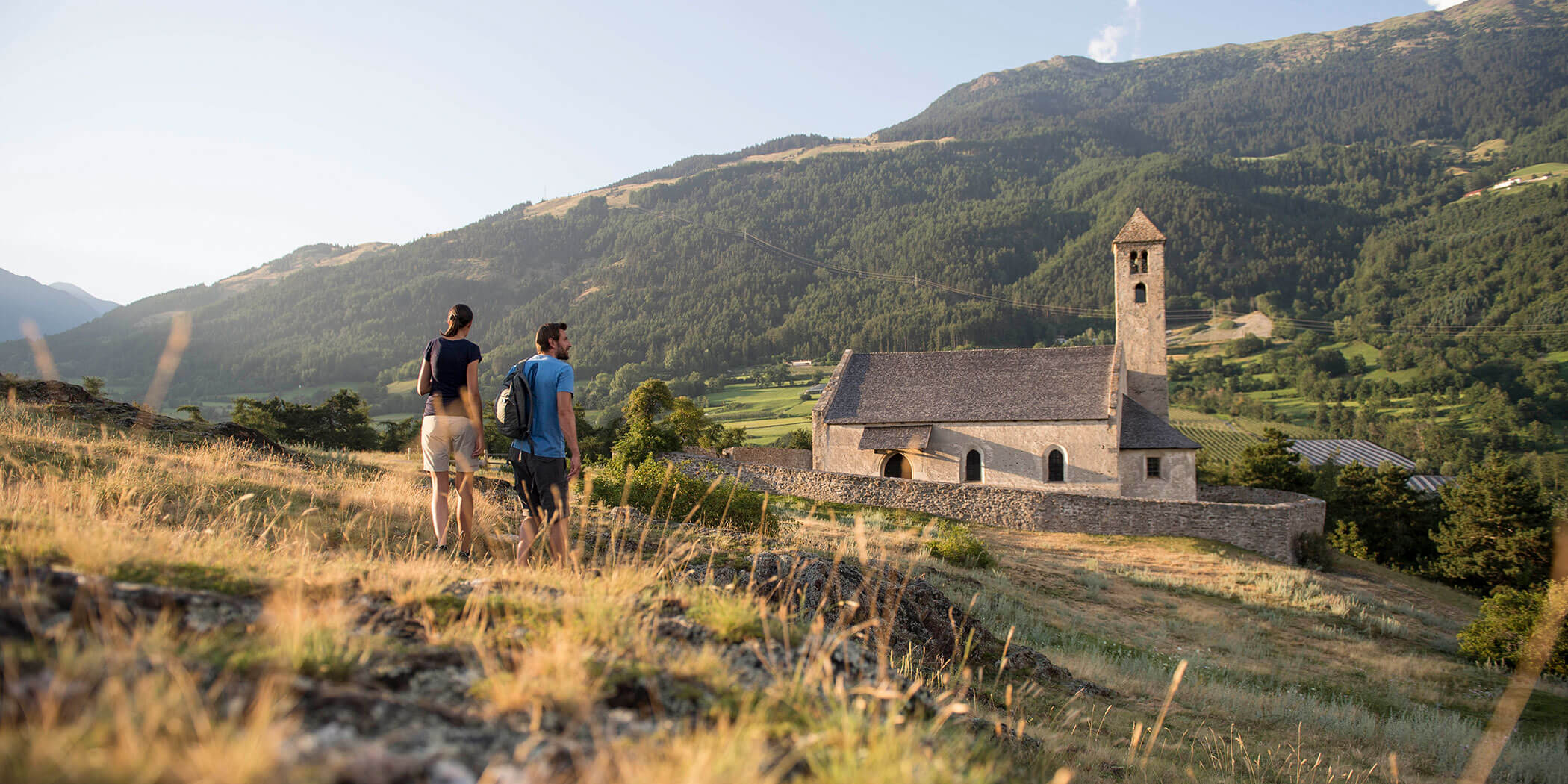
… not only offers a spectacular panoramic view of upper Val Venosta, but also tells a piece of living history. Once the site of a settlement with 80 houses, today archaeological remains bear witness to this past. The nature trail around the hill gives exciting insights into the unique flora. Worth seeing: the Romanesque church of St. Veit from the 11th century. Legend has it that a city sank into the ground here – which makes the hill both a mystical place of energy and an oasis of peace.

Stelvio National Park

… stretching from 700 m to 3,900 m altitude, from valley floor to glacier: Stelvio National Park is a place where nature sets the pace and amazement never ends. Visitors will find centres such as “aquaprad” in Prad am Stilfserjoch, “avimundus” in Schlanders, “culturamartell” in Martell, “lahnersäge” in Ulten Valley, and the “naturatrafoi” near the Stilfserjoch road – each providing a fascinating look into alpine biodiversity. Those who prefer to explore on their own will discover special experiences: observing ibex, exploring marmot trails, and collecting alpine herbs.

Cultural treasures in museums

Val Venosta impresses not only with nature, but also with cultural diversity. In the region’s museums, history comes alive – sometimes spectacular, sometimes quiet, but always fascinating:

Vuseum – Vinschgau Museum in Schluderns

Insights into life, crafts, and everyday routines of past centuries – from the Bronze Age to rural modern times. Authentic, vivid, and surprisingly contemporary.

Schluderns Torturm

A medieval tower that today serves as a small museum – with changing exhibitions on regional history, art, and culture.

Messner Mountain Museum Ortles

Here you dive deep into the world of eternal ice. Reinhold Messner dedicates this museum to the themes of mountains, snow, and ice – in a fascinating location with spectacular architecture.

Messner Mountain Museum Juval

At Juval Castle, the residence of Messner, the myth of the mountain is brought to life – with art, religion, expeditions, and personal memorabilia.

FAQ: Frequently asked questions and our answers
What are the most popular excursion destinations and sights around Panoramahotel Watles?

Around Panoramahotel Watles, numerous destinations await: Lake Reschen with its famous sunken tower, the Stelvio Pass, the Stelvio National Park, and Churburg Castle in Sluderno. Particularly popular are hikes in the surrounding mountains. Other highlights include the marble village of Laas, the medieval town of Glorenza (Glurns), St. John’s Monastery in Müstair (UNESCO World Heritage), and Marienberg Abbey.

What is the Guest Pass and how do I get it?

You receive the Guest Pass after check-in by email. It allows you to travel free of charge on all public transport throughout South Tyrol.

What does the South Tyrol Guest Pass offer and what does it cost?

The Guest Pass is a card that grants access to numerous leisure activities and discounts in the region – including free use of public transport and reduced entry to various sights. More details are available on the official website.

Which sights in Val Venosta should I not miss?

The most important sights in Val Venosta include Lake Reschen, Churburg Castle, Marienberg Abbey, the bells of St. John’s Monastery, and the Etschquelle bunkers. Also worth a visit are numerous medieval castles such as Castel Coira, Burg Fürstenburg, and Castle Goldrain. Another highlight is Juval Castle, home of Reinhold Messner.

What can you do in Val Venosta in bad weather?

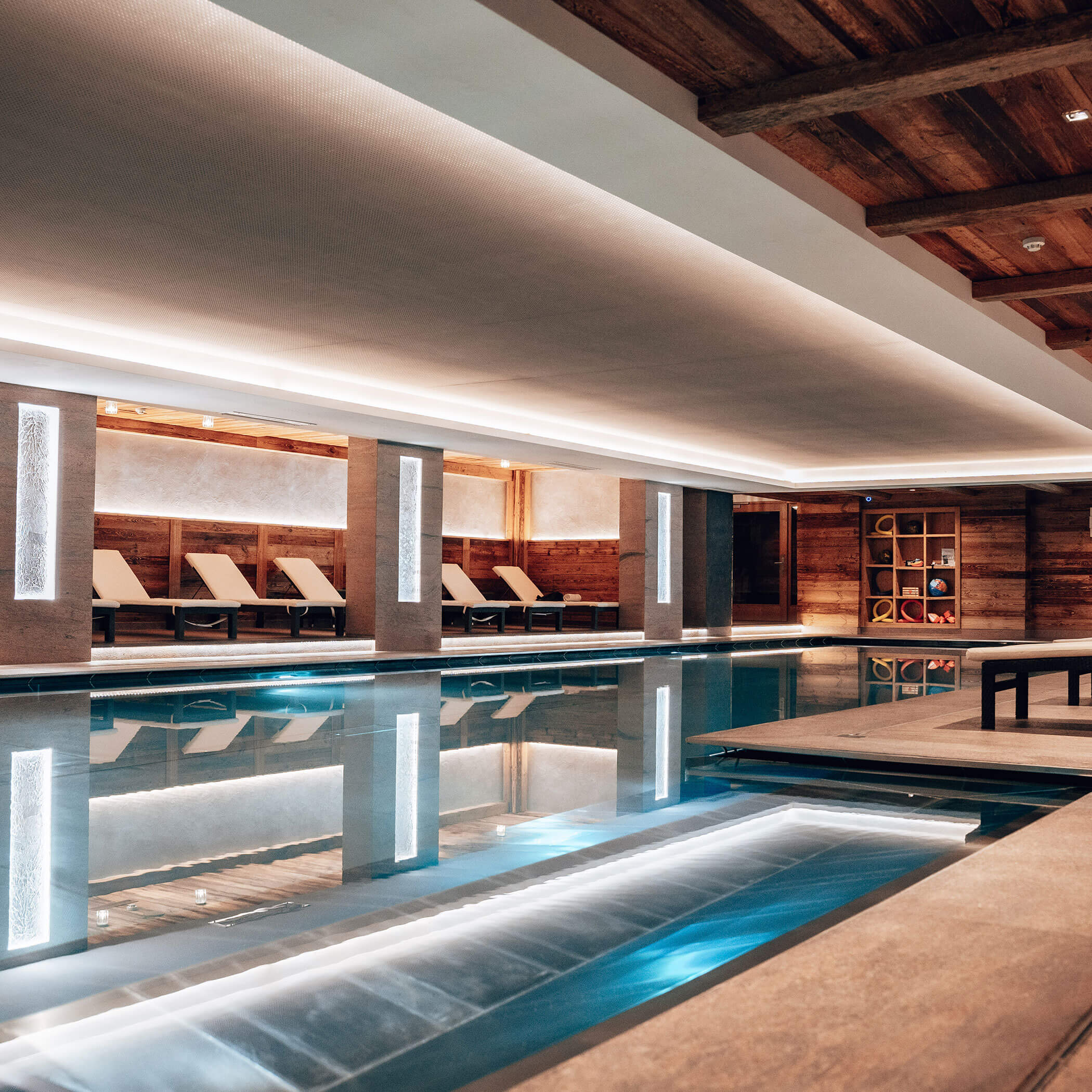
On rainy days, various indoor activities are possible, such as visiting the Val Venosta Museum in Schluderns, guided tours of the marble quarries in Laas, or relaxing in the wellness area of Panoramahotel Watles. Wine tastings at local wineries are also a popular option.

How far is Panoramahotel Watles from Lake Reschen?

Panoramahotel Watles is about 15 km from Lake Reschen – around 30 minutes by car.

What culinary specialities can be found in Val Venosta?

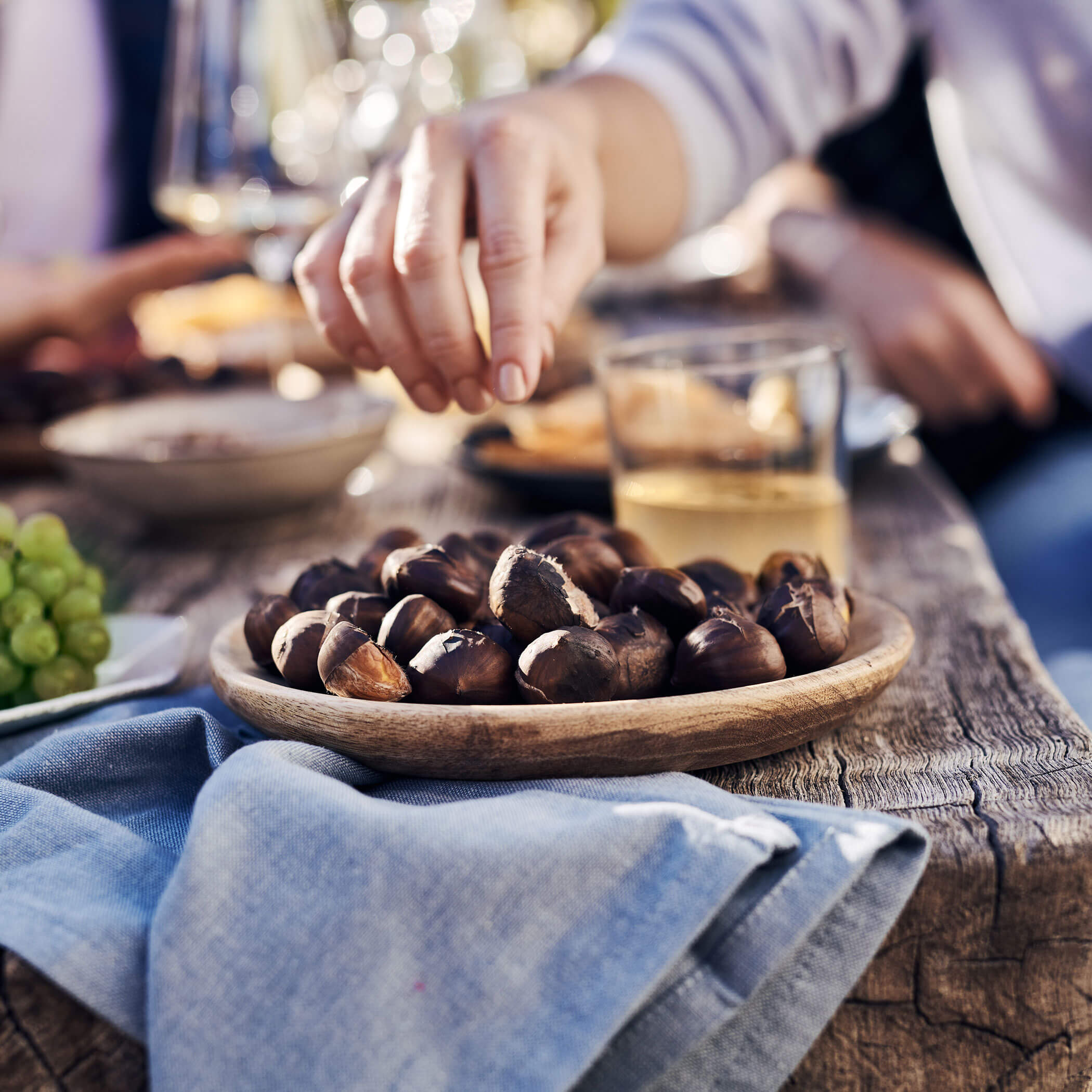
Val Venosta is known for dishes such as Schlutzkrapfen (stuffed pasta), South Tyrolean speck, alpine cheese, apple strudel, and Törggelen specialities like chestnuts and new wine. The typical “Vinschger Paarl” (spiced rye bread) is a regional delicacy. Popular desserts include Strauben, Schmarrn, and doughnuts.

What is cultivated in Val Venosta?

Val Venosta is especially famous for its apple cultivation. The region produces many varieties, including Golden Delicious, Fuji, and Gravenstein. In addition, chestnuts, grapes, herbs, and vegetables are grown here.

When is apple blossom season in Val Venosta?

Apple blossom in Val Venosta usually begins in late April and lasts until early May. This is a particularly beautiful time, when the orchards are in full bloom and the landscape is transformed into a sea of white flowers.

Guest voices

The hotel is stylishly built and furnished, offering a pleasant and relaxing atmosphere with great attention to aesthetics. All of this in an exceptional natural setting, with countless opportunities to discover the nature and culture of South Tyrol. The rooms are spacious and tastefully decorated, and the view of the Malles plain and the surrounding mountains is truly beautiful.

Lou (TripAdvisor)